
Martinique in March: weather, activities and travel tips
Visiting Martinique in March: enjoy the dry season
March is one of the most pleasant months to visit Martinique. During the dry season, locally known as carême, the island generally enjoys sunny weather, although showers remain possible. It is a favorable time to explore Martinique at your own pace, from southern beaches and scenic northern roads to rainforest hikes and cultural discoveries.
Visiting Martinique in March offers opportunities to enjoy outdoor activities, local markets, and the island’s varied landscapes. Discover our suggestions for outings, seasonal traditions, and practical travel tips.
What to do in Martinique in March?
Depending on the year, the last days of Martinique's Carnival can extend into the beginning of the month. The parades, marching bands, and carnival-related activities gradually give way to a more peaceful atmosphere, while maintaining a strong cultural presence in towns and city centers. March is also punctuated by cultural and artistic events, such as readings, exhibitions, and activities around the Printemps des Poètes (Springtime of Poets), organized in different locations around the island. These events highlight local creativity and offer another way to discover Martinique's culture, outside of the major festive events. In addition, certain trade shows, fairs, and commercial and craft events may be scheduled in March, particularly in the Fort-de-France region, depending on the annual calendar.
Lent and traditions: events in Martinique in March
After the excitement of Carnival, Lent invites Christians to reflect, pray, and share in preparation for Easter. It is distinct from carême, the local name for the Caribbean dry season. The major Carnival celebrations give way to a different pace, while cultural discoveries and activities continue across the island.
Lenten traditions in Martinique
In 2027, Lent begins on Ash Wednesday, February 10, and ends on Holy Thursday, March 25, before the evening Mass. It has a place in Martinique’s traditions, with parish celebrations and religious and family practices that vary from person to person, including prayer, sharing, or fasting. For visitors, it also offers opportunities to discover churches, local heritage, and markets.
Easter and family gatherings
In 2027, Easter Sunday falls on March 28, followed by Easter Monday on March 29. In Martinique, this celebration combines religious traditions with family gatherings. It is an opportunity to share matoutou de crabes, a traditional crab dish associated with Easter meals. Families often gather outdoors, sometimes enjoying the dish over a beach picnic. Visit our Easter in Martinique page to learn more about this tradition and plan your vacation during this period.

March 2027 highlights in Martinique
Le Printemps des Poètes poetry festival
Le Printemps des Poètes celebrates poetry each year through readings, discussions, and workshops. The national festival runs from March 8 to 31, 2027. Check the programs published by libraries and cultural venues to discover events taking place in Martinique.
Easter weekend
In 2027, Easter Sunday falls on March 28, followed by Easter Monday on March 29. If you are visiting Martinique during this period, book ahead and check opening hours for the attractions you plan to visit.
Why visit Martinique in March?
March offers opportunities to experience different sides of Martinique in one vacation. For a nature outing, set off early for a hike on Mount Pelée, depending on your ability and weather conditions. The Route de la Trace also takes you through the tropical rainforest, with a possible stop at Saut du Gendarme waterfall.
For beach lovers, Sainte-Anne’s beaches, including Pointe Marin, offer opportunities for swimming. Water sports enthusiasts can also try kitesurfing at Pointe Faula or diving around Diamond Rock, depending on conditions and their experience.
Discover Martinique’s culture through its markets, historic estates, and rum distilleries. Habitation Clément and J.M distillery are two possible stops to include in your itinerary.
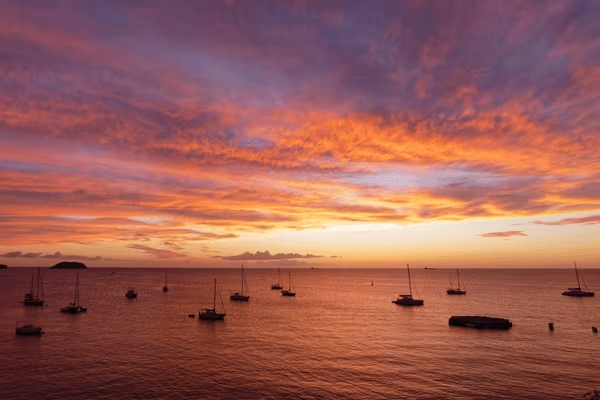
Sunset at L'Anse Mitan, Trois-Ilets
What to Do in Martinique? Must-Do Activities
As a bonus, we're sharing our ideas for places to explore and road trips to take in Martinique.
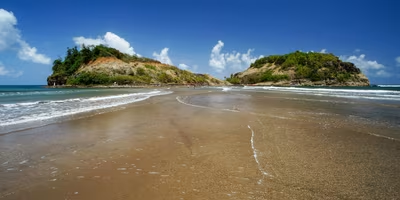
The tombolo of Martinique
The Sainte-Marie tombolo is a unique natural phenomenon that appears at certain times of the year. It usually forms between January and April, when sea conditions allow, creating a sandbar connecting the beach to the islet. Its appearance depends on natural factors, so it is advisable to check locally before visiting.
📍Sainte-Marie
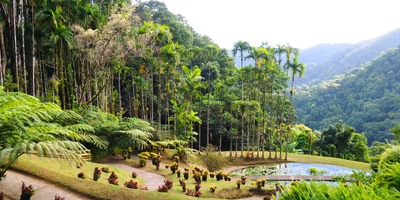
Take a stroll through Balata Garden
The Balata Garden is one of the most beautiful botanical gardens in Martinique, located on Route de la Trace. It brings together a wide variety of tropical plants and offers an immersion into the heart of the local flora. Enjoy discounts with Europcar Martinique on your visit.
📍Fort-de-France
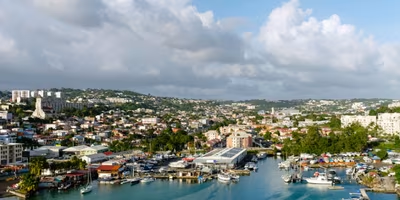
Fort-de-France and its iconic landmarks
The capital, Fort-de-France, can be explored through its city center, markets, shopping streets, and cultural sites. It is an ideal outing for understanding Martinique's history and daily life, complemented by a stroll along the seafront.
📍Fort-de-France

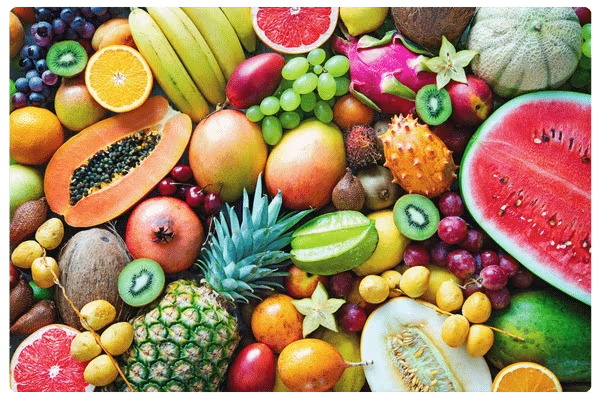
🍌 Seasonal fruits and vegetables in March
Papaya: available at the beginning of the month, depending on harvests.
Local citrus fruits (oranges, grapefruit, limes): end of season but still available on market stalls.
Christophine squash: still widely consumed in March.
Giraumon squash: used in many Creole recipes.
Sweet potatoes: available year-round, widely available at markets.
Yams: depending on local production.
Cassava: eaten fresh or processed.
The weather in Martinique in March
Temperatures in March
March brings a slight rise in temperatures in Martinique, while still maintaining a comfortable climate. During the day, the thermometer averages between 79°F and 84°F, while evenings remain pleasant, with temperatures around 73°F to 77°F.

Water temperature in March
In March, the sea temperature remains stable, between 26°C and 27°C. These conditions are ideal for swimming, snorkeling, and water sports, both along the beaches of the Caribbean coast and on the Atlantic coast.

Rainfall and sunshine in March
March is still part of the dry season (Lent). Rain showers are rare and usually brief, giving way to plenty of sunshine across the island. These weather conditions are particularly favorable for excursions, beach days, and road trips to explore Martinique in complete freedom.

What to Pack in Your Luggage for a Martinique trip?
Don't forget to pack the following essentials in your luggage for your vacation in Martinique:
Sunglasses to protect you from intense UV rays.
Ocean-friendly sunscreen to protect your skin and the marine ecosystem.
A hat to protect you from the sun.
Hiking shoes to explore the island's trails.
Insect repellent to protect you from bugs.
✈️ Prepare for Your Trip to Martinique
As many tourists flock to the archipelago in high season, it is mainly by air that people come to Martinique. It is also at this time that air tickets start to become expensive. To avoid ruining your money on the trip between airports and spend your budget on activities and pleasures of the island, it is strongly advised to book your flights in advance. Prices are lower and more accessible!
Once you arrive at Aimé Césaire airport and in order to move around freely afterwards, don't hesitate to rent a car in Martinique and make the most of the island during your stay in December.

🚙 Getting around easily in Martinique
To explore the island easily, renting a car is still the best option. Europcar Martinique offers a wide selection of recent vehicles (economics cars, SUVs, utility vehicles) with agencies located at Aimé Césaire Airport and in strategic areas.










EXPLORE OUR OTHER ARTICLES
You may find these articles interesting, check them out!
Martinique in April
A trip to Martinique in April promises the perfect combination of glorious sunshine, white sandy beaches and a tropical atmosphere. With its mild, pleasant temperatures, this month offers an ideal time to explore the island's natural and cultural treasures.
High season in Martinique
The high season in Martinique runs from December to April. This is the best time to discover the island: the temperatures are pleasant and the rainfall low. For a metropolitan it is the promise of sun and idleness in the middle of winter.
Online payment discount
No promo code needed for car rentals in Martinique with up to 🏷️-25% off. Discover our permanent discount for online payments!
Ours partners Europcar Martinique
With Europcar Martinique, enjoy exclusive partner discounts at iconic locations across the island. Museums, tropical gardens, restaurants, and hotels—so many local experiences at special prices for Europcar customers.

Sign up for our newsletter
And receive our promo codes and exclusive car rental offers in Martinique, delivered straight to your inbox.


